




Has your plan to move to Spain started to feel a little more real lately?
Perhaps it’s moved beyond a vague idea and turned into something you’re actively thinking about.
You might already be browsing properties along the coast or picturing what day-to-day life could look like with a bit more sunshine and a slower pace.
Leaving Dorset for Spain is a big step, but it is one that more and more people are taking every year. And in most cases, it is a move people wish they had made sooner.
Still, between deciding to go and actually settling into your new Spanish home, there is quite a bit to organise. Visas, customs paperwork, removal logistics, and the practical side of setting up a life abroad all need some attention.
This guide walks you through what really matters when moving to Spain from Dorset in 2026, in a straightforward way that helps you plan properly without overcomplicating things.
Removals to Spain from Dorset: Quick Guide for 2026
Thinking about leaving Dorset for Spain? This quick overview highlights the key things you need to know before making the move.
- Why Dorset Movers Are Choosing Spain
Warmer weather, lower living costs, and a more relaxed lifestyle continue to attract UK expats. - Visas & Residency Requirements
You’ll need the correct visa before moving, plus local registration (Padron) and a TIE card upon arrival. - Best Time to Move
Spring and autumn are ideal; August can slow everything down due to closures and high demand. - Removal Costs & Timelines
Most moves range from £2,800 to £8,000, with delivery taking anywhere from a few days to a few weeks. - Customs & Documentation
Detailed inventories and Transfer of Residence relief are essential to avoid delays or import charges. - Healthcare & Insurance
Private health insurance is required initially, with access to public healthcare possible later. - Finances & Tax Planning
Setting up a Spanish bank account early and understanding tax residency rules is key. - What to Take (and What to Leave)
Decluttering reduces costs—many UK items won’t suit Spanish homes or climate. - Schools & Family Life
Spain offers state, private, and international schooling options, but planning ahead is important. - Settling In After Arrival
Register locally, set up utilities, and start integrating—learning some Spanish helps hugely.
Moving to Spain from Dorset is completely achievable with the right preparation. Get the key details sorted early, and you can focus on enjoying your new life in the sun.
Moving to Spain from Dorset: What to Expect in 2026

Planning an international move always comes with a mix of excitement, fears and logistics, and Spain is no exception. While the process is entirely manageable, it does require a bit more structure than moving within the UK.
Spain continues to be one of the most popular destinations for British expats, largely because it offers a lifestyle that feels noticeably different without being completely unfamiliar.
The climate, the pace of life, and the cost of living all play a part, but so does the fact that there are already well-established British communities across many regions.
Since Brexit, however, there are additional steps to take. You will need the correct visa in place before moving, and your belongings will need to go through customs when entering Spain.
It is good to know that none of this is difficult when handled properly, but it does mean that preparation is more important than it used to be.
If you approach the move with a clear plan and realistic expectations, the process tends to run far more smoothly from start to finish.
Why Dorset Residents Are Making the Move

Dorset is not an easy place to leave. With its coastline, countryside, and strong sense of community, it offers a quality of life that many people value highly.
That said, there are some common reasons why people are starting to look further afield.
The cost of living in the UK has increased steadily in recent years, property prices remain high in desirable areas, and the long, grey winters can begin to wear thin.
Spain offers a contrast that is hard to ignore. The climate alone makes a noticeable difference, particularly in regions where sunshine is the norm rather than the exception.
Daily life often feels more relaxed, and the cost of essentials such as food, eating out, and general living expenses can be significantly lower.
For many people leaving Dorset, the appeal is not just about saving money or chasing better weather. It is about creating a lifestyle that feels more balanced and sustainable in the long term.
Plus, it’s just a short hop away when family and friends come to stay, meaning you don’t feel too far from home.
Visas and Residency: What Has Changed Since Brexit

One of the most important things to understand is that moving to Spain is no longer as simple as it once was.
As a UK citizen, you can still visit Spain for up to 90 days within a 180-day period without a visa. However, if you intend to live there permanently, you will need to arrange the appropriate visa before leaving the UK.
For many Dorset movers, the most common option is the Non-Lucrative Visa. This is typically used by retirees or individuals who have sufficient income or savings to support themselves without working in Spain.
The financial requirements have increased slightly in recent years, and in 2026, you should expect to demonstrate a stable annual income at a set threshold, which rises for couples and families.
Once you arrive in Spain, there are a couple of essential steps to complete.
You will need to register on the local municipal register, known as the Padron, and apply for your residency card, referred to as the TIE. These processes confirm your legal status and allow you to access services such as healthcare and banking.
While the system is straightforward, it does require attention to detail, and it is always worth allowing extra time for paperwork to be processed.
Choosing the Right Time to Move
Timing plays a bigger role than many people expect when relocating to Spain.
In my experience, the most straightforward periods to move are late spring and early autumn. During these times, transport routes are less congested, and administrative services in Spain are operating at normal capacity.
August, on the other hand, is widely known for slowing things down.
Many businesses operate reduced hours, and some close entirely for part of the month. This can lead to delays not just with removals, but also with essential tasks such as registering locally or arranging utilities.
It is also worth thinking carefully about your accommodation timeline, too.
Having a confirmed address in Spain before your belongings arrive can make the entire process easier, particularly when registering your residency.
If there is a gap between leaving Dorset and moving into your Spanish property, using storage can provide a useful buffer.
RH Pardy has its own storage facilities, ideal for holding your belongings until you are ready to have them delivered to your new Spanish home.
What Does It Cost to Move from Dorset to Spain?

Cost is often one of the first questions people ask, and understandably so.
In 2026, a typical removal from Dorset to Spain will usually fall somewhere between £2,800 and £8,000. The final figure depends on several factors, including how much you are taking, where in Spain you are moving to, and the level of service you choose.
A full-service move tends to be at the higher end of that range, as it includes professional packing, transport, and delivery into your new home.
This option is often preferred for international moves, as it reduces the risk of damage and lightens the workload.
Part-load services, sometimes referred to as groupage, are a more cost-effective alternative. Your belongings share space on a vehicle with other customers heading in the same direction, which lowers the cost but can extend delivery times.
It is also important to factor in additional costs such as insurance, packing materials, customs documentation, and any temporary storage you may need along the way.
Customs and Paperwork: What You Need to Know
Since the UK is no longer part of the EU, your belongings will need to go through customs when entering Spain. This is one of the areas where careful preparation really matters.
Most people moving permanently can apply for what is known as Transfer of Residence relief. This allows you to import your personal belongings without paying import duty, provided you meet certain conditions, such as having owned the items for a minimum period and intending to live in Spain on a long-term basis.
You will also need to provide a detailed inventory of everything being shipped, along with supporting documentation that confirms your move. Spanish customs authorities are thorough, and missing or inaccurate paperwork can lead to delays.
Working with an experienced removal company can make a significant difference here, as they will guide you through the documentation and ensure everything is prepared correctly before your belongings leave the UK.
Our packing services page gives you a clearer picture of what professional packing involves and why it is worth considering for a long-haul European move.
Healthcare in Spain: Getting It Right from the Start

Spain’s healthcare system is widely regarded as one of the best in Europe, but access to it depends on your residency status.
For most UK movers, private health insurance is required initially, particularly if you are applying for a visa such as the Non-Lucrative Visa. Policies must meet specific criteria, including full coverage without significant exclusions.
Costs vary depending on age and level of cover, but most people find it to be reasonably affordable compared to private healthcare in the UK.
Over time, you may become eligible to access the public healthcare system, depending on your circumstances.
However, arranging the correct cover from the outset is essential, as it forms part of your visa requirements.
The UK government’s living in Spain guide covers everything you need to know about Spanish healthcare provision: Living in Spain: GOV.UK
Sorting Your Finances Before You Leave

The financial side of moving abroad is often more involved than expected, so it is worth getting organised early.
Opening a Spanish bank account before you arrive can make a big difference, particularly when it comes to paying for accommodation, utilities, and day-to-day expenses. It also helps streamline the process of setting up your new life once you are in the country.
Tax is another important consideration. If you spend more than 183 days per year in Spain, you are likely to become a Spanish tax resident. While there is a double taxation agreement between the UK and Spain, it is still important to understand how your income, pensions, and investments will be treated.
It’s also sensible to inform HMRC that you’re leaving the UK, review any pension arrangements you have in place, and take a close look at investments or ISAs, as these can be handled differently once you’re no longer classed as a UK resident.
Taking advice before you move can help you avoid unnecessary complications later on.
What to Take and What to Leave Behind

One of the more practical decisions you will need to make is what to bring.
Many people find that they take more than they really need. Spanish homes, climates, and lifestyles are often quite different. Additionally, not everything from a Dorset property will fit comfortably into your new surroundings.
Items such as heavy furniture, thick bedding, and lower-value belongings are often better left behind.
On the other hand, anything with financial or sentimental value should be carefully packed and protected.
Taking the time to declutter before your move can reduce your overall costs and make settling in much easier.
Navigating the Spanish School System as an Expat

Spain’s education system has a solid reputation and offers a range of options for expat families, depending on how long they plan to stay and their priorities.
State schools are free and available to all resident children, with education compulsory from ages 6 to 16. Lessons are primarily taught in Spanish, although some regions also include a local language such as Catalan or Valencian.
Many schools now offer bilingual programmes, which can help ease the transition. Children tend to adapt quickly, often picking up the language faster than expected.
Alongside state education, there are concertado (partly state-funded) schools and a wide choice of private and international schools following British or IB curricula. These come with fees but offer familiarity.
Planning ahead is important, as place, especially in popular expat areas, can fill quickly.
You can find out more about the Spanish education system via the Move to Spain website.
Pets, Vehicles and Everyday Practicalities

If you are bringing pets with you, the process is relatively straightforward, provided you follow the correct steps. This includes microchipping, vaccinations, and obtaining the necessary health certification before travel.
The Blue Cross guide to post-Brexit pet travel is a reliable and regularly updated reference point for the current requirements.
Vehicles require a bit more thought. While you can use a UK-registered car in Spain initially, it will eventually need to be registered locally if you plan to stay. This involves inspections, fees, and some administration, so it is worth considering whether taking your car is the right option.
Take a look at this How to Import your Car to Spain Guide before you decide.
Plants are more complicated, and the list of imported prohibited plants into Spain is extensive. It is far easier to leave them behind and replace them once you are settled.
Settling In: Life After the Move
Once your belongings arrive and the removal process is complete, there are still a few important steps to take.
Registering locally, completing your residency paperwork, and setting up utilities are the main priorities. While this may sound like a lot, it is usually quite manageable once you are in the country.
Spain is known for its welcoming atmosphere, and many areas have well-established expat communities that can help you settle in more quickly.
Making the effort to learn some Spanish, even at a basic level, will also make a noticeable difference. It helps with everyday interactions and allows you to feel more connected to your new surroundings.
The Euro Weekly has some excellent advice and tips to help your settle into the Spanish lifestyle with ease.
Planning Your Move? Speak to R H Pardy Moving & Storage
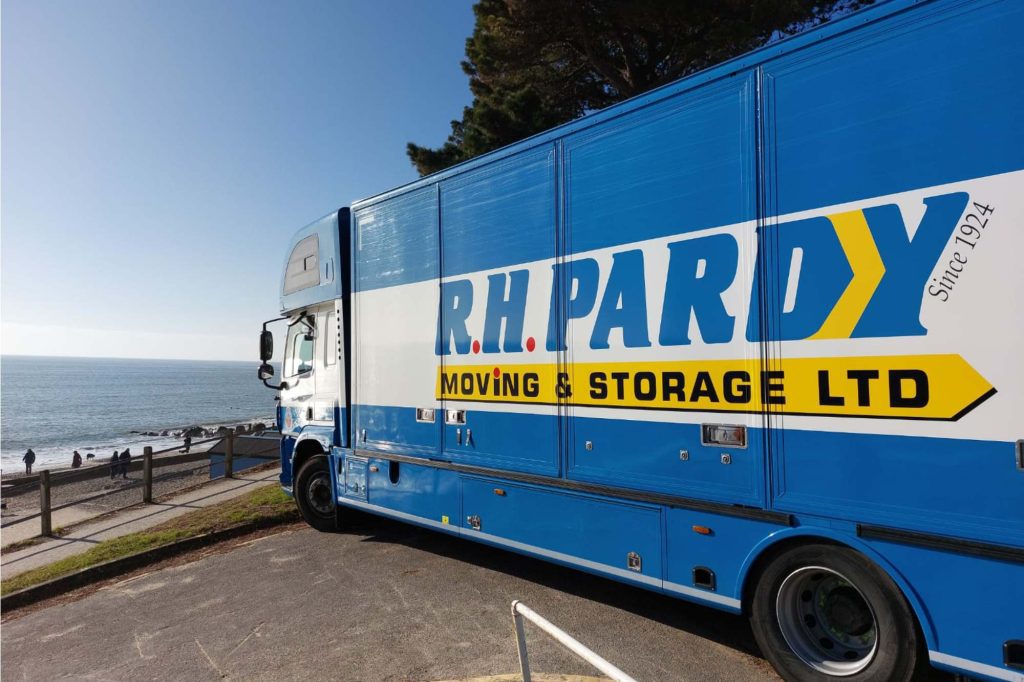
At R H Pardy Moving & Storage, moving from Dorset to Spain is handled with the level of care and planning that international relocations require.
From the initial survey through to packing, transport, and delivery, our team understands the importance of getting every stage right. We also provide guidance on customs paperwork and offer storage solutions where needed, giving you flexibility if your timelines do not quite line up.
Every move is different, and taking the time to plan it properly makes all the difference once you arrive.
If you are considering a move to Spain, speaking to an experienced removals company early on can help you avoid common pitfalls and ensure everything runs as smoothly as possible.
Get in touch today and see how we can make your dream move to sunny Spain a reality.
Frequently Asked Questions about Removals to Spain
1. Will I still receive my UK pension if I move to Spain?
Yes, your UK State Pension can continue to be paid whether you keep a UK account or switch to a Spanish one. It also remains uprated each year under the triple lock, even if you’re living abroad.
2. Do I need to change my driving licence straight away?
Not immediately. You can use your UK licence for up to six months after becoming a Spanish resident. After that, you’ll need to exchange it for a Spanish licence to continue driving legally.
3. Should I take everything with me or buy new items in Spain?
That really comes down to what you own. High-value or sentimental items are usually worth shipping, but for larger furniture, many people find it more cost-effective to start fresh once they arrive.
4. Is registering locally in Spain compulsory?
Yes, it’s an important step. You’ll need to sign onto the padrón at your local town hall, which is required for accessing healthcare, enrolling children in school, and dealing with other official matters.
5. Can I split my time in Spain without becoming a tax resident?
You can, provided you spend fewer than 183 days a year in Spain. Once you go beyond that, you’re generally classed as a Spanish tax resident.
6. How easy is it to settle into life in Spain as a Brit?
It depends on where you choose to live. In areas with established expat communities, settling in is usually straightforward. In quieter, more traditional regions, leaning the language and local culture goes a long way.