




Are you moving to the UK from Germany in 2026?
After years of efficiency, order and strong coffee, many UK nationals living in Germany reach a point where the pull of home becomes hard to ignore.
Whether it’s family ties, career changes, education, or simply the desire to be closer to familiar surroundings, returning to the UK from Germany in 2026 is a significant move that requires careful planning.
While Germany offers a high quality of life, excellent infrastructure, and strong social systems, moving back brings its own opportunities and challenges.
But, although moving back to the UK is a well-trodden path, it is no longer a simple reversal of the move you made years ago.
From customs rules and paperwork to shipping household goods and re-establishing everyday life, we hope our ultimate returning guide will help make the difference between a calm transition and an unnecessarily stressful one.
Returning to the UK after living in Germany

For British citizens, returning to the UK remains straightforward from an immigration standpoint.
You do not need a visa to live or work in the UK, regardless of how long you have spent in Germany.
However, practical re-entry considerations have changed in recent years, and in 2026.
It is essential to approach the move with clarity rather than assumptions based on pre-Brexit experiences.
If you have been registered as a resident in Germany, you may need to formally deregister there (Abmeldung) before leaving.
This is particularly important if you have been renting property, paying local taxes, or using German public services.
German authorities are meticulous about records, and closing things properly avoids complications later.
Back in the UK, you may need to re-register with a GP (more on this subject later), reopen UK bank accounts if they were closed, and update HMRC on your residency status.
If you have been working in Germany, it’s wise to check how your pension contributions, tax history and National Insurance record align with UK requirements. All this can be done via the GOV.UK website.
Custom regulations when moving from Germany to the UK
Once you have made the decision to come home, you need to make arrangements to transport your personal belongings back.
One of the biggest changes for returning expats since Brexit is the treatment of household items.
Germany is no longer part of the EU customs union for UK moves, it means your personal effects are now subject to customs procedures when re-entering the UK.
The good news is that most returning residents can bring used household goods back to the UK without paying import duty or VAT, provided certain conditions are met.
- Your belongings must usually have been owned and used for a minimum period (for at least 6 months),
- They must be intended for your personal use rather than resale.
Accurate documentation is essential.
A detailed inventory, proof of residency abroad, and completed customs forms are now a standard part of the process.
This is where professional international removals experience really matters; mistakes or omissions can cause delays at the border and unnecessary stress.
A removals company will prepare your inventory for presentation to UK customs.
Shipping furniture, vehicles, and personal possessions

Moving to the UK from Germany is often more complex than people expect.
Many UK expats accumulate substantial household contents over the years, from German-made furniture and appliances to bicycles, garden equipment, and storage items.
Transporting furniture requires export-standard packing to protect items during transit and to satisfy customs inspections.
Electrical appliances should be checked for UK compatibility, particularly large white goods.
Vehicles are a separate consideration altogether; importing a car involves DVLA registration, compliance checks, and potential taxes depending on circumstances.
Timing also matters.
Coordinating property handovers in Germany with delivery schedules in the UK can also be tricky, especially if you are moving into temporary accommodation.
Secure storage solutions can make a huge difference during this transition period.
Healthcare back in the UK

This is another crucial step in your homeward journey.
If you are dependent on prescribed medication or have children in tow, you need to prioritise you and your family’s health and wellbeing as soon as possible.
Once back in the UK, healthcare access resumes through the NHS, but registration is not always automatic.
It’s sensible to register with a GP as soon as you have a permanent address.
If you have ongoing medical needs, transferring records from Germany will help maintain continuity of care.
The UK housing market in 2026: what returning expats should know

You will need to re-familiarise yourself with the UK housing market.
The UK market in 2026 remains competitive, although it has become more balanced compared to the intense peaks seen in recent years.
House prices vary significantly by region, with demand strongest in commuter belts, major cities, and desirable rural locations.
Mortgage affordability has improved slightly as interest rates have stabilised, but lenders remain cautious, particularly with applicants who have spent long periods overseas.
Additionally, returning expats may find that securing a mortgage takes a bit longer because their UK credit footprint is limited.
Many choose to rent initially, giving themselves time to understand local markets, rebuild credit history and make informed financial decisions before committing to a purchase.
Take time to investigate what is currently on the market and what homes are selling for. The best way to do this is via online portals such as Rightmove and Zoopla.
That way, when you are ready to move forward and buy a home, you know exactly what you can afford.
Re-entering the UK job market after time abroad

For many returning expats moving to the UK from Germany, securing employment is a priority and often shapes where they choose to live.
The UK job market in 2026 is diverse and competitive, with consistent demand across sectors such as technology, healthcare, education, finance, logistics and the creative industries.
If you have spent several years overseas, it is important to adapt your CV to current UK expectations and update your LinkedIn profile to reflect recent experience gained abroad.
Employers increasingly value international skills, so this should be positioned as a strength. Researching regional salary levels is also worthwhile, as pay and demand can differ widely across the country.
Job platforms like Indeed, Reed and the National Careers Service provide useful insights for returners.
Emotional readjustments after returning home
Don’t be surprised when you find that the move back to the UK has felt more emotionally complex than expected; it’s a stage that almost all returning expats experience.
While everything may seem familiar, daily life often feels subtly different after years abroad.
Work culture, social habits and even pace of life can come as a surprise, leading to what is commonly known as “reverse culture shock”.
Returning expats sometimes feel caught between two worlds, missing aspects of life in Germany while trying to reconnect with friends, family, and routines in the UK.
Allowing yourself time to settle, rebuild social circles and re-establish a sense of belonging helps make the transition smoother and more rewarding in the long term.
Rebuilding social connections

Resettling socially is just as important as managing the practical side of a return move.
Many expats find that rekindling old friendships takes time, as people’s lives, routines and priorities may have changed while you were away.
And don’t forget, you have changed too; life experiences have a way of opening and broadening your horizons and view of the world.
Being proactive helps, reaching out early, suggesting simple catch-ups, and being open about your return can ease any awkwardness.
At the same time, making new connections is key to feeling grounded again.
Joining local clubs, volunteering, professional networks, or hobby groups can quickly expand your social circle.
Websites such as Meetup and Nextdoor are particularly useful for meeting people locally, discovering events and rebuilding a sense of community after time abroad.
Some of your old friends might not even know you are home.
Don’t be shy, put yourself out there,
Helping children with the transition

For families returning to the UK, helping children settle into school life is often one of the biggest concerns, and quite rightly so.
Even when children are familiar with British culture, returning after time abroad can feel incredibly unsettling.
New schools, new friendships, and different teaching styles all take adjustment, and younger children may also need time to rebuild confidence in English.
Starting the school search early makes a significant difference, particularly as most state schools operate catchment-based admissions.
Your local council manages applications, which can be found viathe GOV.UK website, while Ofsted provides valuable inspection reports and performance data.
Parents may also find practical advice on easing the transition at Expat Arrivals, which offers guidance specifically for returning families.
Importing pets into the UK

Bringing pets back to the UK also requires careful planning to ensure a smooth and stress-free journey for everyone involved.
Dogs, cats, and ferrets must be microchipped, have up-to-date rabies vaccinations, and travel with the correct animal health documentation to enter the UK without quarantine.
The rules are strict, and even small errors can result in delays or refused entry.
For this reason, it is important to start preparations well in advance of your move date.
The UK government provides clear, up-to-date guidance on pet travel, including approved routes and documentation, which can be found on GOV.UK.
Early preparation ensures your pets return home safely, legally, and, more importantly, comfortably.
Preparing for your move back to the UK
As you can see, deciding on moving to the UK from Germany after a long time abroad is a major life step and not one to rush.
While the process can feel daunting, the reality is that with the right preparation, it becomes far more manageable.
You have already adapted to living overseas, dealt with bureaucracy, and built a life in another country; returning home is simply the next chapter.
The key is approaching the move methodically, from organising documentation and personal belongings to understanding financial and practical considerations ahead of time.
Taking a proactive approach allows you to stay in control, reduce last-minute pressure, and focus on settling back into UK life with confidence rather than reacting to problems as they arise.
Why professional removals matter when moving home

Moving to the UK from Germany is not simply a long-distance relocation; it comes with regulatory, logistical, and emotional layers just as it did when you left for Germany.
Trying to manage everything alone often leads to delays, damaged belongings, or last-minute complications.
An experienced removals company such as RH Pardy, understands border procedures, documentation requirements and the practical realities of international transport.
A professional European and international mover will also offer reassurance at a time when returning home should feel exciting, not overwhelming.
How RH Pardy Moving & Storage can help with Moving to the UK from Germany
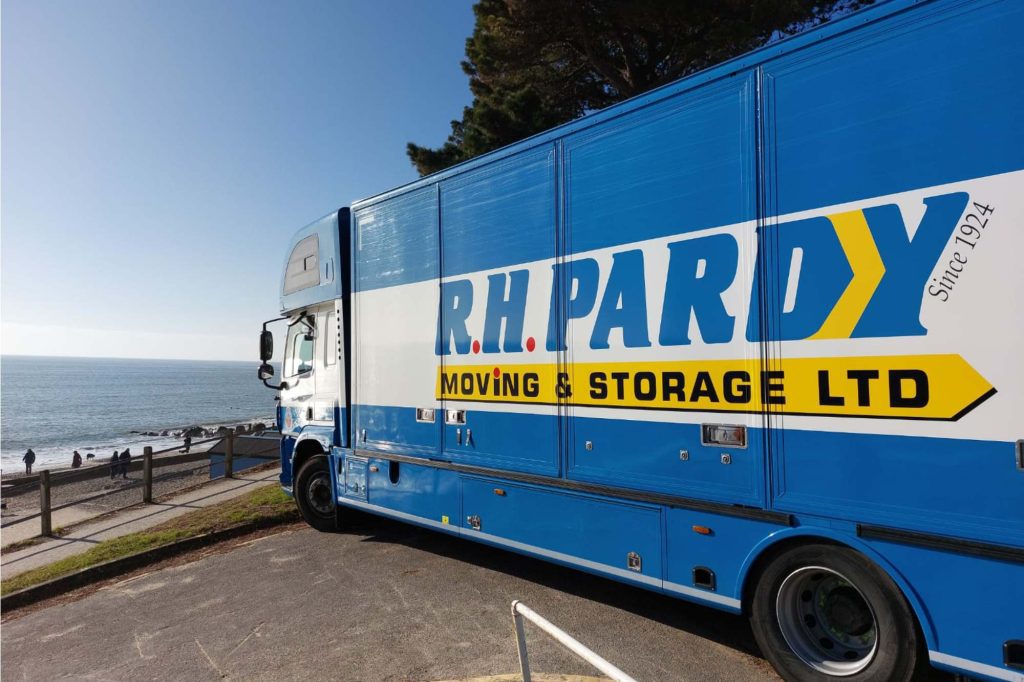
RH Pardy Moving & Storage specialises in professional removals to and from the UK, including international moves from Germany and across Europe.
With decades of experience, the team handles every stage of your relocation, from expert export packing and secure transport to customs clearance and careful delivery at your new UK address.
RH Pardy also offers flexible storage solutions for short- or long-term needs, ideal if your move dates don’t align perfectly.
Whether you are returning home from Germany, relocating abroad, or moving within the UK, you can rely on a friendly, knowledgeable service tailored to your circumstances.
To discuss your move, or if you have any questions, contact RH Pardy on 01202 152 120, email enquiries@pardyremovals.com, or visit www.pardyremovals.com for more information.